
The Role of Dry Needling and Manual Therapy in Musculoskeletal Healing
Muscle pain, stiffness, and restricted movement can make even simple daily activities difficult. Whether it is neck pain after long hours at a desk, back pain from poor posture, a sports injury, or tight muscles that keep coming back, finding the right treatment can make a significant difference.
Two therapies that are increasingly used for musculoskeletal problems are dry needling and manual therapy. When appropriately selected by a trained professional, these techniques can help reduce muscle tension, improve movement, and support the body’s natural healing process.
What Is Dry Needling?
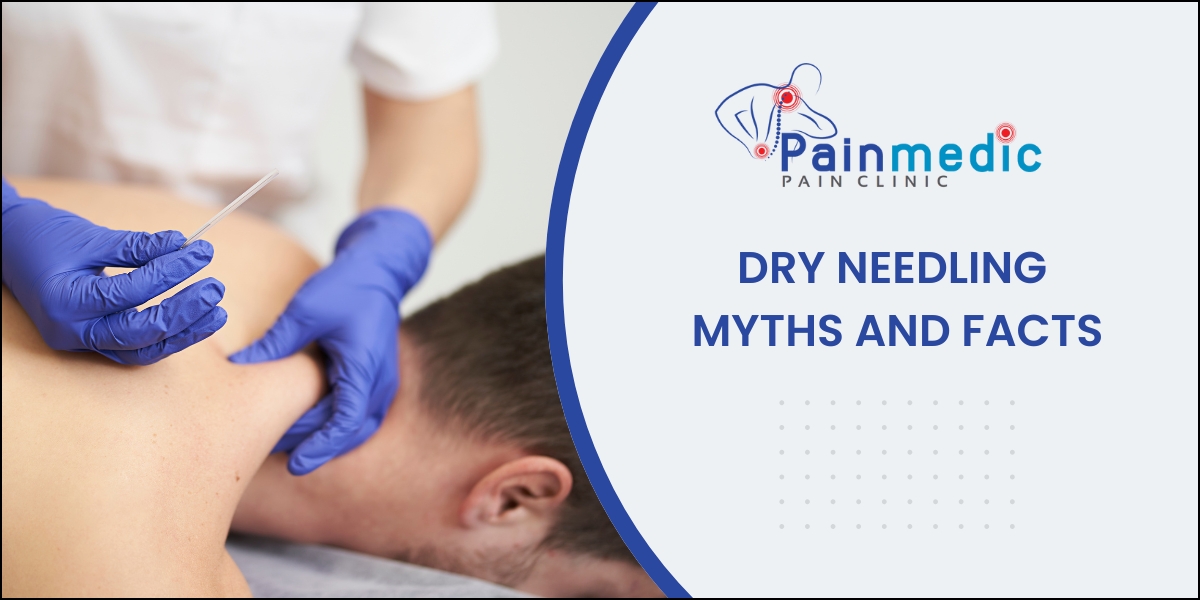
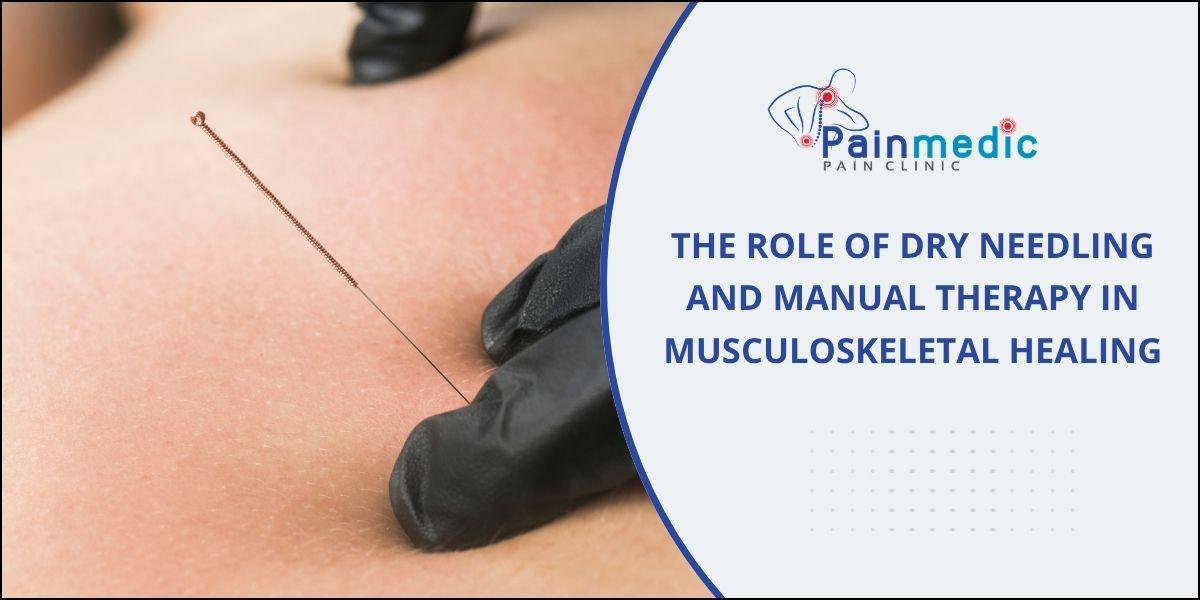
Dry needling is a treatment technique in which a trained healthcare professional uses very thin, sterile needles to target specific tight or painful areas of muscle. It is commonly used to address myofascial trigger points, which are sensitive spots within muscles that may contribute to pain and restricted movement.
Unlike acupuncture, dry needling is generally based on modern musculoskeletal and pain-management principles. The aim is to stimulate the affected muscle and surrounding tissues, potentially helping reduce abnormal muscle tension and improve function.
People may consider dry needling for problems such as:
- Neck and shoulder pain
- Lower back pain
- Muscle stiffness
- Sports-related muscle injuries
- Trigger points
- Certain types of joint and muscle pain
- Restricted range of movement
The treatment is not suitable for every person or every condition. A proper assessment is important before deciding whether dry needling is appropriate.
How Does Manual Therapy Help?
Manual therapy involves hands-on techniques used by trained physiotherapists or other qualified healthcare professionals to assess and treat muscles, joints, and soft tissues.
Depending on the individual’s condition, treatment may include soft-tissue techniques, joint mobilization, stretching, or other hands-on approaches. The purpose is to improve mobility, reduce discomfort, and help the person move more comfortably.
For example, someone with stiff shoulders may have tight muscles as well as restricted joint movement. Addressing only one part of the problem may not provide lasting improvement. Manual therapy can be combined with movement exercises to work on both pain and function.
Dry Needling and Manual Therapy: How Do They Work Together?
Dry needling and manual therapy can complement each other in selected musculoskeletal conditions.
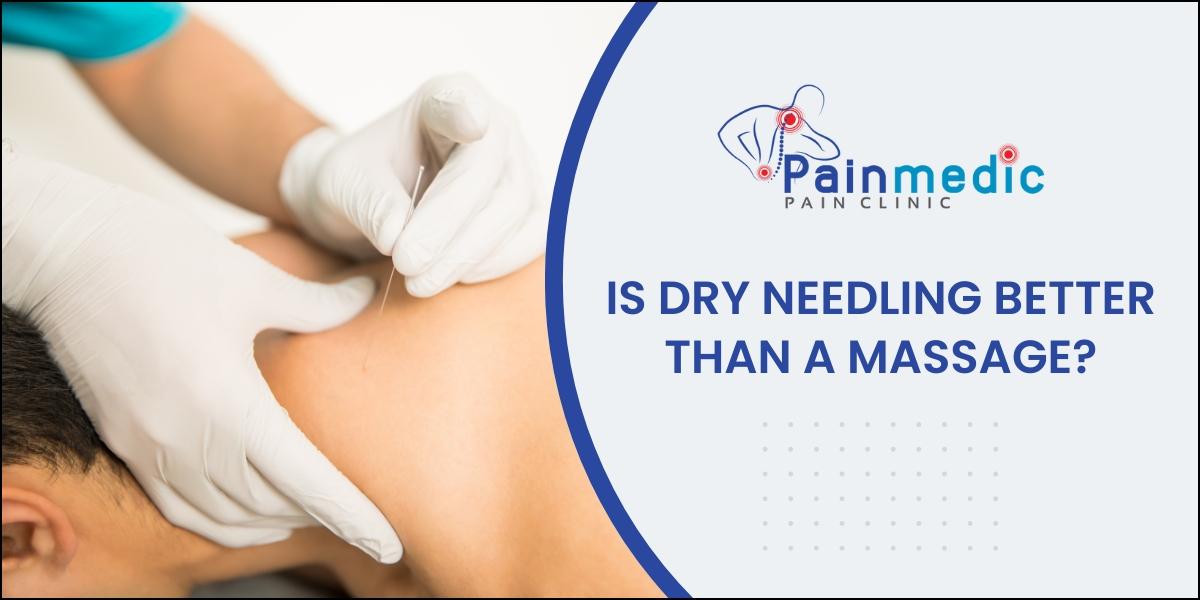
Dry needling may be used to address specific tight or sensitive muscle areas, while manual therapy can help improve movement in the surrounding tissues and joints. Following treatment with appropriate exercises can further help the patient regain strength, flexibility, and confidence in movement.
This combination may be particularly useful when pain is associated with muscle tightness and movement restrictions.
However, treatment should not be based on techniques alone. A good musculoskeletal treatment plan begins with understanding why the pain is occurring, identifying contributing factors, and choosing therapies according to the individual’s needs.
What Can You Expect During Dry Needling Treatment?
Before treatment, the healthcare professional should discuss your symptoms and perform an appropriate assessment. If dry needling is recommended, the skin is cleaned and a fine needle is inserted into the targeted area.
Some people experience a brief twitching sensation, mild discomfort, or temporary soreness. Others may feel very little during the procedure. Mild soreness after treatment can occur and generally settles within a short period.
Your therapist may then use manual therapy or recommend specific exercises depending on your condition.
Is Dry Needling Right for Everyone?
Dry needling is not automatically the best choice for every type of pain. Your medical history, current symptoms, medications, underlying conditions, and the cause of your pain should all be considered.
A qualified professional can determine whether dry needling, manual therapy, exercise therapy, or another treatment approach is more appropriate.
It is also important to remember that passive treatments are usually only one part of musculoskeletal rehabilitation. Improving posture, strength, flexibility, activity habits, and movement patterns may be important for long-term recovery.
When Should You Consider Professional Help?
If muscle or joint pain continues for several days or weeks, repeatedly returns, limits your daily activities, or affects your ability to exercise or work, it may be worth getting a professional assessment.
Instead of simply treating the painful area, a musculoskeletal specialist can evaluate your movement, identify possible contributing factors, and create a treatment plan suited to your condition.
Painmedic Clinic – Dry Needling Treatment in Pune
Painmedic Clinic provides dry needling treatment in Pune for individuals dealing with selected muscle pain, trigger points, stiffness, and musculoskeletal problems. The approach focuses on proper assessment and choosing treatment according to the individual’s symptoms and functional needs. Dry needling may be combined with manual therapy, exercise-based rehabilitation, and other appropriate pain-management techniques when required.
Dry Needling क्या है? क्या Dry Needling सच में दर्द खत्म करता है?
FAQs
1. What is dry needling used for?
Dry needling is commonly used for selected muscle pain, trigger points, stiffness, and movement-related problems.
2. Is dry needling painful?
Some people may feel a brief prick, muscle twitch, or mild soreness, while others experience minimal discomfort.
3. What is manual therapy?
Manual therapy uses hands-on techniques to address muscle, soft-tissue, and joint-related movement problems.
4. Can dry needling and manual therapy be combined?
Yes. Depending on the condition, they may be combined with exercises as part of a broader rehabilitation plan.
5. How do I know if dry needling is suitable for me?
A qualified healthcare professional should assess your symptoms and medical history before recommending dry needling.