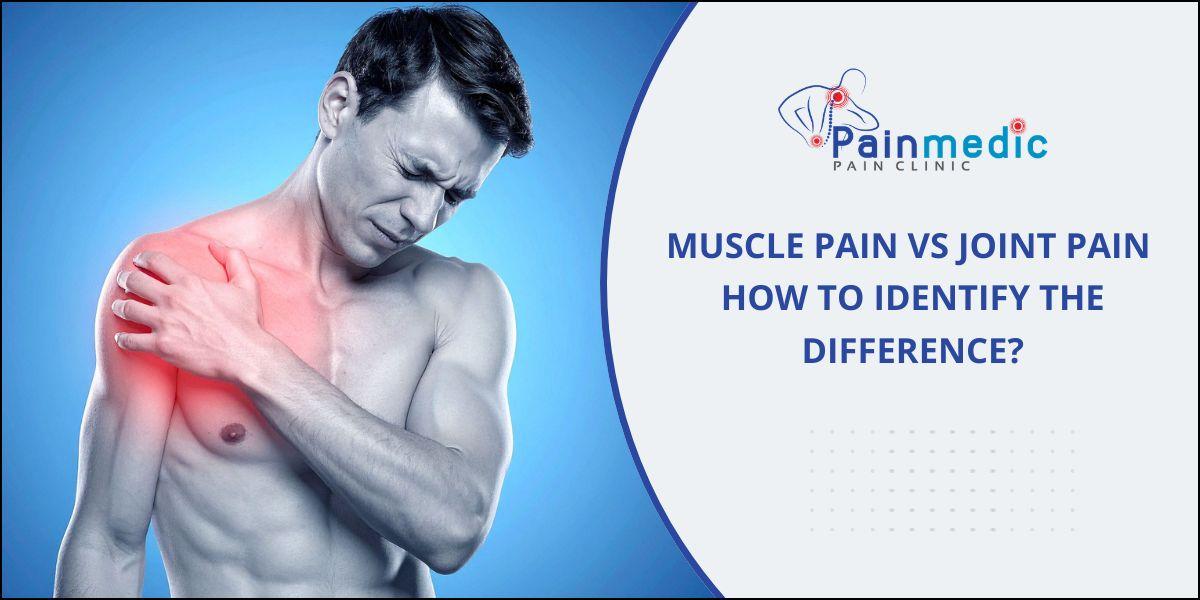
Muscle Pain vs Joint Pain: How to Identify the Difference
Pain can make even simple daily activities difficult. But one common question is: Is the pain coming from my muscles or my joints? Knowing the difference between muscle pain and joint pain can help you understand what may be causing your discomfort and when it is worth seeking professional advice.
Although both types of pain can feel similar, their location, symptoms, triggers, and patterns are often different. Understanding these differences can help you take the right next step instead of ignoring persistent pain or treating it incorrectly.
What Is Muscle Pain?
Muscle pain, medically known as myalgia, usually develops in the muscles or the soft tissues surrounding them. It can occur after exercise, physical overuse, poor posture, sudden movements, or an injury.
For example, you may experience muscle pain after lifting something heavy, spending long hours at a desk, exercising after a long break, or sleeping in an awkward position.
Common signs of muscle pain include:
- Pain or tenderness when the muscle is touched
- Stiffness or soreness
- Pain that increases when the affected muscle is used
- Muscle cramps or spasms
- Swelling or bruising after an injury
- A feeling of weakness or fatigue in the affected area
Muscle pain often improves with adequate rest, gentle movement, and appropriate treatment. However, severe or persistent pain should not be ignored.
What Is Joint Pain?
Joint pain occurs around or within a joint, where two or more bones meet. Commonly affected joints include the knees, shoulders, hips, elbows, wrists, and ankles.
Joint pain can develop due to injuries, arthritis, inflammation, cartilage problems, overuse, or age-related changes.
Common signs of joint pain include:
- Pain felt directly around a joint
- Stiffness, especially after periods of inactivity
- Difficulty moving the joint
- Swelling around the joint
- Warmth or redness in some cases
- Clicking, grinding, or popping sensations
- Reduced range of motion
Unlike ordinary muscle soreness, joint pain may continue or worsen when you repeatedly put pressure on the affected joint.
Muscle Pain vs Joint Pain: Key Differences
One of the easiest ways to understand the difference is to pay attention to where and when the pain occurs.
- Location: Muscle pain is generally felt within the muscle or surrounding soft tissue. Joint pain is usually concentrated around a specific joint.
- Movement: Muscle pain may become worse when you contract or stretch the affected muscle. Joint pain is more likely to become noticeable with movements that load or rotate the joint.
- Tenderness: A sore muscle may feel tender when pressed. With joint problems, tenderness is often located directly around the joint.
- Swelling: Muscle injuries can sometimes cause swelling or bruising, but noticeable swelling around a joint may point toward inflammation, injury, or another joint-related problem.
- Stiffness: Both conditions can cause stiffness, but joint stiffness can be particularly noticeable after sitting, resting, or waking up.
Why Is It Important to Identify the Source of Pain?
Muscle and joint pain can have overlapping symptoms. For instance, knee pain may actually be related to surrounding muscles, while shoulder discomfort could originate from structures around the joint.
This is why simply assuming that every ache is “muscle pain” or “joint pain” may delay appropriate treatment.
Persistent pain can also affect your sleep, mobility, work, exercise, and overall quality of life. Identifying the underlying cause allows a pain specialist to recommend a treatment approach suited to the condition rather than relying only on temporary pain relief.
When Should You See a Pain Specialist?
Occasional muscle soreness after exercise may settle with rest and basic self-care. However, consider consulting a healthcare professional if your pain:
- Continues for several days or keeps returning
- Interferes with walking, working, exercising, or sleeping
- Is associated with significant swelling or stiffness
- Develops after an injury
- Limits your normal range of motion
- Becomes severe or progressively worse
- Does not improve despite appropriate rest
A pain specialist can assess your symptoms, identify potential causes, and determine whether further evaluation or treatment is necessary.
If you are experiencing persistent knee, shoulder, back, hip, or other joint-related pain, Painmedic Pain Clinic in Pune provides pain management services focused on identifying the underlying source of pain and improving day-to-day function. For people searching for joint pain treatment in Pune, consulting a pain specialist can be an important step when pain is persistent, recurrent, or affecting your quality of life. The appropriate treatment depends on the cause, severity, and individual condition.
Don’t Ignore Persistent Pain
Understanding whether your discomfort is coming from a muscle or a joint is a useful first step, but it cannot replace a professional evaluation. Pain that persists, repeatedly returns, or limits your normal activities deserves attention.
Instead of simply masking the pain, focus on understanding why it is happening. Early assessment can help you explore appropriate treatment options and get back to comfortable movement and everyday activities.
Watch this video to understand exactly what Trigger Point is
Frequently Asked Questions
1. How can I tell if pain is muscular or joint-related?
Muscle pain is usually felt within the muscle and may worsen when the muscle is used or pressed. Joint pain is typically felt around a specific joint and may affect movement.
2. Can muscle pain feel like joint pain?
Yes. Pain from muscles, tendons, or nearby tissues can sometimes feel as though it is coming from a joint.
3. Is joint pain always caused by arthritis?
No. Joint pain can result from injuries, inflammation, overuse, cartilage problems, or several other conditions.
4. When should I see a doctor for muscle or joint pain?
Seek professional advice if pain is severe, persistent, recurrent, follows an injury, or interferes with normal activities.
5. Can a pain specialist treat joint pain?
Yes. A pain specialist can assess the cause of persistent pain and recommend appropriate pain-management or other treatment options based on the individual condition.